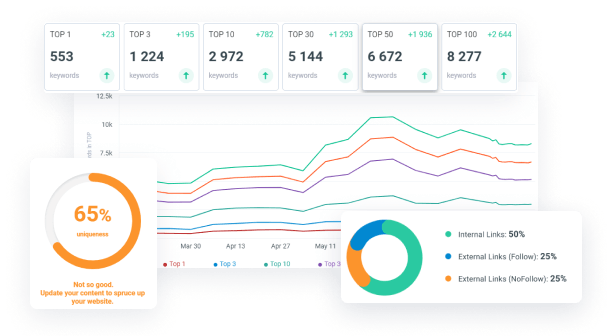
An SEO page test is a critical evaluation of a website’s individual pages to measure their effectiveness in search engine rankings. Unlike general SEO audits, which focus on overall site health, an SEO page test dives deep into individual page performance. This type of test can uncover specific issues that may be preventing a page from ranking higher in search results. By conducting these tests regularly, website owners and marketers gain actionable insights to refine content, improve user engagement, and enhance overall site authority.
Importance of SEO Page Test in Digital Marketing
In the fast-paced world of digital marketing, every page on a website can significantly impact traffic and conversions. An SEO page test allows marketers to pinpoint areas for optimization, such as meta tags, headings, keyword distribution, and mobile responsiveness. Testing individual pages ensures that each element aligns with SEO best practices, contributing to better organic visibility. For businesses looking to maximize their online presence, integrating SEO page tests into regular site maintenance routines is essential for staying competitive.
Key Components of an Effective SEO Page Test
A thorough SEO page test examines multiple facets of a webpage. Core components include keyword usage, internal and external linking, page load speed, mobile optimization, content structure, and metadata accuracy. Additionally, technical aspects like schema markup, canonical tags, and indexing status are evaluated. By reviewing these elements systematically, webmasters can identify gaps that hinder search engine rankings and prioritize optimizations that yield the highest return on investment.
Evaluating Keyword Effectiveness in an SEO Page Test
Keywords are the backbone of any SEO strategy, and evaluating them is a central part of an SEO page test. This evaluation measures whether targeted keywords are appropriately integrated into headings, content, URLs, and meta descriptions. It also examines keyword density and semantic relevance. Proper keyword alignment ensures that search engines can accurately index and rank a page, improving the likelihood of attracting targeted organic traffic.
Analyzing User Experience Through SEO Page Testing
An SEO page test is not limited to technical aspects—it also assesses user experience (UX). UX factors, such as page layout, navigation ease, readability, and engagement signals, can influence search rankings. Pages that are difficult to navigate or slow to load often result in higher bounce rates, negatively impacting SEO performance. Testing pages from a user-centric perspective helps balance technical optimization with real-world usability, ensuring visitors have a seamless browsing experience.
Role of Content Quality in SEO Page Test
Content quality is a decisive factor in page performance. During an SEO page test, content is analyzed for relevance, depth, originality, and readability. Search engines prioritize pages that provide value to users, so duplicate or thin content can lower rankings. Evaluating content structure, keyword placement, and multimedia integration helps identify opportunities to enrich the page, making it more engaging for both visitors and search engines.
Technical SEO Checks in a Page Test
Technical SEO plays a significant role in page visibility. An SEO page test often includes checking page load speed, mobile responsiveness, secure connections (HTTPS), structured data, and crawlability. Additionally, pages are tested for broken links, redirect chains, and indexation issues. Ensuring these technical elements are optimized is critical, as even high-quality content may fail to rank if the underlying infrastructure is flawed.
Importance of Mobile Optimization in SEO Page Test
With the majority of web traffic coming from mobile devices, mobile optimization is essential. An SEO page test evaluates how pages perform across different screen sizes, load times, and mobile usability factors. Google’s mobile-first indexing prioritizes mobile-optimized pages, making this component of testing crucial for maintaining or improving rankings. A mobile-friendly page contributes to better user engagement, lower bounce rates, and improved SEO results.
Evaluating Page Speed and Performance
Page speed is a significant ranking factor and is a core aspect of an SEO page test. Slow-loading pages can drive visitors away and reduce conversion rates. During testing, metrics such as Time to First Byte (TTFB), Largest Contentful Paint (LCP), and Cumulative Layout Shift (CLS) are analyzed. Optimizing images, leveraging browser caching, and minimizing server response times are common strategies to improve page performance and overall, SEO effectiveness.
Role of Meta Tags in SEO Page Testing
Meta titles and descriptions are essential for both SEO and user experience. An SEO page test examines whether meta tags are unique, accurately descriptive, and include targeted keywords. Properly optimized meta tags improve click-through rates from search results and provide search engines with relevant context about page content. Regularly testing and refining meta tags ensures that each page remains competitive in search engine listings.
Analyzing Internal and External Links
Links are another crucial factor in page evaluation. An SEO page test reviews internal links for proper hierarchy and navigation efficiency, ensuring that link equity flows correctly throughout the site. External links are assessed for relevance, authority, and potential spam indicators. Proper linking strategies improve page authority, assist search engine crawlers, and enhance user experience by providing valuable resources.
Structured Data and Schema Evaluation
Structured data, implemented through schema markup, enhances search results with rich snippets. An SEO page test includes checking schema for accuracy, consistency, and implementation errors. Correct schema usage can lead to improved visibility in search results, higher click-through rates, and better indexing by search engines. Pages with accurate structured data often outperform competitors in search rankings.
Measuring Engagement Metrics
Engagement metrics provide insight into how users interact with a page. During an SEO page test, metrics such as time on page, bounce rate, pages per session, and scroll depth are analyzed. These metrics help determine if content resonates with visitors or requires optimization. High engagement signals indicate a well-performing page, while low engagement highlights areas for improvement in content or layout.
Conducting A/B Testing as Part of SEO Page Test
A/B testing allows marketers to experiment with variations of a page to determine which performs best. This can include testing headlines, images, call-to-action buttons, and content layout. Incorporating A/B testing into an SEO page test ensures that changes are data-driven, minimizing guesswork and improving the effectiveness of optimization strategies over time.
Identifying and Fixing Broken Links
Broken links negatively impact both user experience and SEO. An SEO page test identifies internal and external broken links and assesses their impact on page performance. Fixing these links improves crawlability, prevents 404 errors, and maintains user trust. Regular link audits are a vital part of sustaining strong SEO performance.
Image Optimization in SEO Page Test
Images can significantly affect page load speed and SEO. An SEO page test evaluates image size, alt text, format, and relevance. Proper image optimization reduces load times and enhances accessibility, making pages more attractive to both users and search engines. Optimized images contribute to a more efficient, visually engaging, and SEO-friendly page.
URL Structure Analysis
URL structure is another aspect reviewed during an SEO page test. Clean, descriptive URLs improve crawlability and user understanding of page content. Including relevant keywords and maintaining a logical hierarchy enhances SEO performance. A well-structured URL contributes to better indexing and can increase the likelihood of higher search rankings.
Evaluating Social Sharing and Backlink Potential
While social signals are not direct ranking factors, they can influence traffic and brand visibility. An SEO page test considers how easily a page can be shared and its potential to attract backlinks. Pages that are informative, engaging, and well-structured are more likely to earn backlinks, which strengthen domain authority and improve search rankings over time.
Competitor Analysis in Page Testing
Understanding how competitors perform is a valuable component of an SEO page test. Comparing page structure, content quality, keyword usage, and backlink profiles with competitors can reveal strengths and weaknesses. This information guides optimization efforts, allowing marketers to implement strategies that help pages outperform rivals in search engine rankings.
Tracking and Reporting Results
Data collected from an SEO page test must be carefully analyzed and reported. Tracking improvements in traffic, rankings, engagement metrics, and conversion rates provides insight into the effectiveness of optimization efforts. Regular reporting allows for ongoing refinement and helps ensure that SEO strategies remain aligned with business goals.
Implementing Continuous Optimization
SEO is not a one-time effort. Continuous optimization is necessary to maintain and improve page performance over time. Regular SEO page tests help identify new opportunities, emerging issues, and evolving trends. By incorporating an iterative approach, webmasters can ensure that every page adapts to changes in search algorithms and user behavior, maximizing long-term success.
Leveraging Tools for SEO Page Test
Various tools assist in conducting a comprehensive SEO page test. These include site audit software, keyword analysis tools, page speed analyzers, and engagement tracking platforms. By leveraging these tools, marketers can automate testing processes, identify issues more efficiently, and implement data-driven optimizations with precision.
Common Mistakes to Avoid During SEO Page Testing
Even seasoned professionals can make errors when conducting an SEO page test. Common mistakes include ignoring mobile optimization, neglecting metadata, overusing keywords, failing to monitor technical issues, and overlooking user engagement metrics. Awareness of these pitfalls ensures that testing is thorough and that optimizations are both effective and sustainable.
Leveraging Analytics in SEO Page Test
Analytics data is a powerful asset when conducting an SEO page test. By examining metrics such as organic traffic, click-through rates, bounce rates, and conversion paths, marketers can gain actionable insights into page performance. Analyzing user behavior helps identify which content resonates most and which areas require improvement. Coupled with keyword analysis, analytics enables precise adjustments that maximize page visibility. Regularly reviewing analytics as part of an SEO page test ensures that optimization efforts are data-driven, measurable, and targeted, allowing marketers to make informed decisions that enhance both user experience and search engine rankings.
Optimizing Call-to-Action Elements
Effective call-to-action (CTA) placement is critical for converting visitors into leads or customers. During an SEO page test, CTAs are evaluated for visibility, relevance, wording, and placement on the page. Testing variations in color, size, and phrasing can significantly influence user interactions. Integrating these findings with page content ensures that visitors are guided seamlessly toward desired actions. Well-optimized CTAs complement overall SEO efforts by enhancing engagement metrics and conversion rates. Regularly testing CTAs as part of an SEO page test guarantees that every page maximizes its potential to deliver tangible results for business objectives.
Importance of Readability and Content Flow
Readability and logical content flow are key factors in both SEO and user engagement. An SEO page test evaluates sentence structure, paragraph length, subheading usage, and overall readability scores. Clear, concise, and well-structured content encourages users to stay longer and explore additional pages. This positively impacts dwell time and reduces bounce rates, which search engines often interpret as a sign of quality. Testing readability ensures that content communicates ideas effectively, appeals to a broad audience, and supports the page’s keyword strategy. Maintaining high readability is essential for the long-term success of any SEO page test initiative.
Optimizing Multimedia for SEO Page Test
Multimedia elements like videos, infographics, and images enhance page engagement but require optimization for SEO. An SEO page test examines file sizes, loading times, descriptive alt text, and captions. Properly optimized multimedia improves page speed, accessibility, and relevance to search queries. Additionally, structured multimedia content can increase the likelihood of appearing in rich results. Evaluating how multimedia impacts both user experience and search engine indexing is crucial. Integrating multimedia optimization into an SEO page test ensures that all visual elements contribute to rankings, engagement, and the overall performance of the page.
Monitoring Algorithm Updates and Page Impact
Search engine algorithms continuously evolve, which can affect page rankings unexpectedly. An SEO page test should include monitoring algorithm changes and assessing their impact on individual pages. Pages may require adjustments in keyword usage, content structure, or technical configurations to maintain visibility. Staying informed about updates helps marketers proactively optimize pages rather than reactively respond to ranking drops. Continuous monitoring and testing allow businesses to adapt quickly, keeping pages competitive and aligned with search engine expectations. Incorporating algorithm awareness into an SEO page test strengthens long-term performance strategies.
Testing Meta Descriptions and Titles
Meta descriptions and titles are often the first impression users have in search results. An SEO page test evaluates their clarity, relevance, keyword inclusion, and engagement potential. Testing variations in titles and descriptions can improve click-through rates and attract targeted traffic. Well-crafted metadata not only supports search engine indexing but also enhances user decision-making. Regular testing ensures that each page consistently presents an appealing and informative snippet in search results. Including metadata evaluation in an SEO page test is essential for maximizing organic visibility and driving quality traffic to a website.
Assessing Competitor Performance for Strategic Advantage
Analyzing competitor pages during an SEO page test provides insight into industry benchmarks and best practices. Understanding competitors’ keyword strategies, content structure, backlink profiles, and engagement tactics allows for informed decision-making. Comparing pages helps identify gaps or opportunities where optimization can yield better results. Integrating competitor insights ensures that an SEO page test doesn’t occur in isolation but aligns with broader market trends. This strategic approach enables marketers to not only match competitors’ performance but potentially surpass it, giving their pages a significant advantage in search engine rankings.
Integrating SEO Page Test with Overall Strategy
An SEO page test should not operate in isolation. Integrating findings with the broader SEO strategy ensures that improvements contribute to overall site performance. Alignment with content marketing, social media, technical SEO, and backlink strategies enhances the cumulative effect of optimization efforts, creating a cohesive and highly effective digital marketing plan.
Future Trends in SEO Page Testing
As search engines evolve, SEO page testing continues to advance. Future trends may include increased automation through AI, more sophisticated user experience assessments, predictive analytics, and real-time testing. Staying ahead of these trends ensures that web pages remain competitive and continue to perform well in increasingly complex search environments.
Conclusion
An SEO page test is a vital tool for any website looking to improve search engine rankings, user engagement, and overall online performance. By systematically evaluating individual pages, identifying areas for improvement, and implementing strategic optimizations, businesses can achieve sustainable growth and visibility. Regular testing, combined with ongoing adaptation to industry trends, ensures that pages remain competitive and deliver maximum value to users.
