Pet care is a multifaceted responsibility that extends beyond routine feeding and exercise. As a devoted pet owner, it’s crucial to be informed about various treatments and services that ensure the health and well-being of your animal companion. This guide explores essential aspects of pet care, including veterinary ophthalmology treatment and pet cremation, providing you with a comprehensive understanding of the services every pet owner should be familiar with.
1. Routine Veterinary Care
Regular veterinary visits are fundamental to maintaining your pet’s health. Routine check-ups allow for early detection of potential health issues and ensure that vaccinations are up-to-date. These appointments typically include:
- Physical Examinations: Regular exams help monitor your pet’s overall health and detect issues such as weight changes, dental problems, and heart murmurs.
- Vaccinations: Keeping your pet’s vaccinations current is essential for preventing diseases such as rabies, distemper, and parvovirus.
- Parasite Control: Routine treatments for fleas, ticks, and worms protect your pet from infestations and related health issues.
2. Specialized Veterinary Treatments
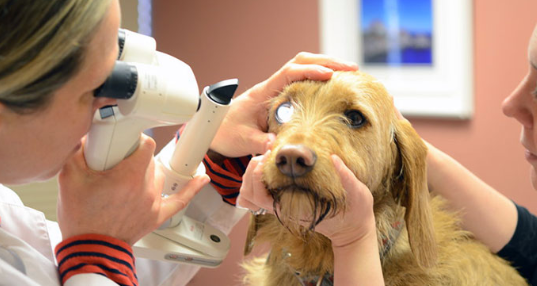
While routine care is crucial, specialized treatments can address specific health concerns that may arise. One such specialized service is veterinary ophthalmology treatment. This field focuses on diagnosing and treating eye conditions in pets, which can range from minor irritations to severe diseases such as glaucoma and cataracts.
Veterinary Ophthalmology Treatment involves:
- Eye Exams: Comprehensive examinations to detect conditions like conjunctivitis, corneal ulcers, and retinal disorders.
- Diagnostic Tests: Procedures such as tonometry (measuring intraocular pressure) and ophthalmic imaging to evaluate the extent of eye issues.
- Treatment Options: Depending on the diagnosis, treatments may include medications, surgical interventions, or specialized therapies to manage and alleviate symptoms.
Addressing eye health proactively can prevent vision loss and ensure your pet maintains a good quality of life.
3. Emergency and Critical Care
Accidents and sudden illnesses require immediate attention. Emergency veterinary care is designed to handle urgent situations such as trauma, poisoning, or severe infections.
Emergency Care Services include:
- 24/7 Availability: Many veterinary clinics offer emergency services around the clock, ensuring that care is available when your pet needs it most.
- Advanced Diagnostic Tools: Services often include access to diagnostic imaging, blood work, and critical care facilities to provide rapid and accurate treatment.
Timely intervention in emergencies can be life-saving and can significantly impact the recovery process.
4. Pet Grooming and Hygiene
Maintaining proper grooming and hygiene is essential for your pet’s comfort and health. Regular grooming helps prevent skin infections, matting of fur, and excessive shedding. Key grooming services include:
- Bathing: Regular baths with pet-friendly products help keep your pet’s coat clean and free of parasites.
- Brushing: Frequent brushing reduces shedding and prevents matting, particularly in long-haired breeds.
- Nail Trimming: Proper nail care prevents discomfort and potential injury caused by overgrown nails.
In addition to grooming, dental care is crucial. Regular brushing and professional dental cleanings help prevent periodontal disease and related health issues.
5. End-of-Life Services
Preparing for and managing the end of your pet’s life is a challenging but important aspect of pet ownership. Pet cremation is a compassionate option for handling your pet’s remains after they have passed away.
Pet Cremation Services offer:
- Individual Cremation: Ensures that your pet is cremated separately, and you receive their ashes in a personalized urn or container.
- Communal Cremation: An option where multiple pets are cremated together, with ashes typically not returned to the owner.
Moreover, pet cremation allows for respectful handling of your pet’s remains and can provide a sense of closure during a difficult time. Many services also offer memorial items, such as paw prints or photographs, to commemorate your pet’s life.
Conclusion
Effective pet care involves a range of treatments and services that cater to your pet’s health and well-being. From routine veterinary visits and specialized treatments like veterinary ophthalmology to end-of-life services such as pet cremation, understanding these aspects ensures you provide the best possible care for your furry friend. By remaining attentive to their needs and seeking appropriate professional guidance, you can ensure that your pet enjoys a healthy, happy life.
